Discover flavorful and health-conscious chutney recipes that keep your sodium intake in check, perfect for enhancing any meal.
The Role of Sodium in Heart Health
Sodium is a crucial mineral that helps regulate fluid balance, muscle contractions, and nerve functions in the body. However, consuming too much sodium is linked to high blood pressure. High blood pressure is a major risk factor for heart disease and stroke.
The American Heart Association recommends consuming no more than 2,300 milligrams of sodium per day. Ideally, most adults should consume less than 1,500 milligrams. By reducing sodium intake, individuals can lower their blood pressure and improve overall cardiovascular health.
Why Choose Low-Sodium Chutneys?
Low-sodium chutneys are a fantastic way to enjoy rich, tangy flavors. They offer the taste of traditional chutneys without the health risks of high sodium intake. Excessive sodium can lead to high blood pressure, heart disease, and stroke. By opting for low-sodium versions, you can savor your favorite condiments while maintaining a healthier lifestyle.
Low-sodium chutneys provide more control over the ingredients used. They ensure you consume fresh and natural products without hidden additives or preservatives. This makes them a safer and more nutritious option for your meals.
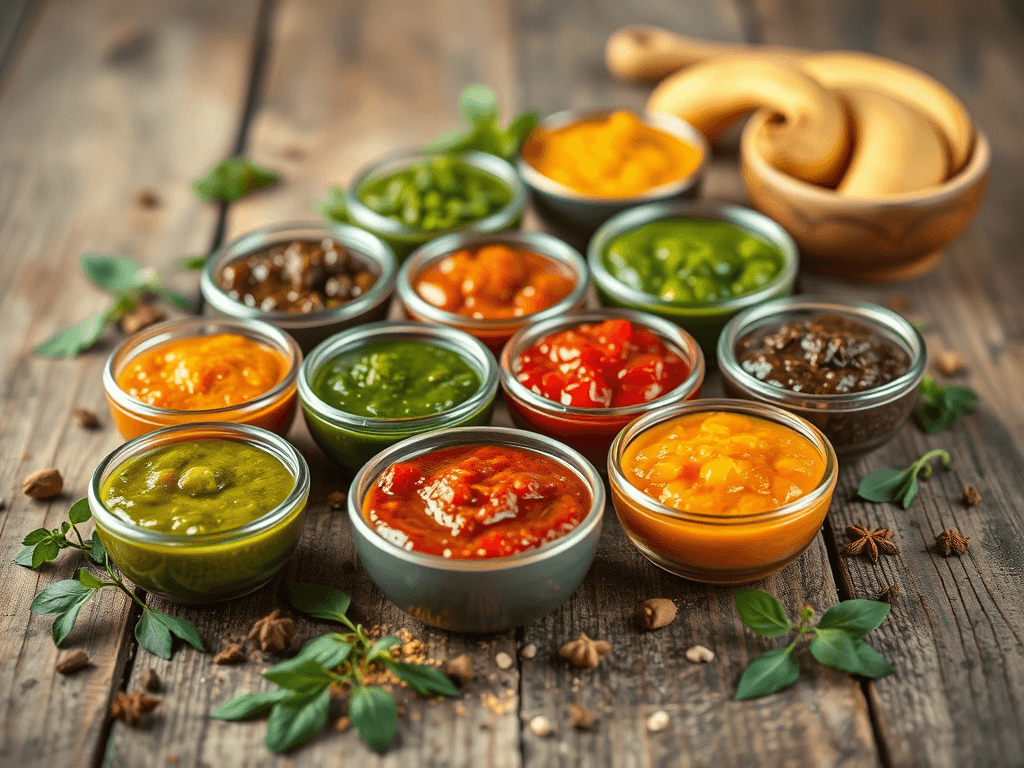
Essential Ingredients for Flavorful Low-Sodium Chutneys
Creating a delicious low-sodium chutney starts with selecting the right ingredients. Fresh fruits and vegetables such as mangoes, tomatoes, and cilantro are excellent bases. These ingredients provide natural sweetness and tartness that make chutneys so delightful.
To enhance the flavor without adding salt, consider using spices like cumin, coriander, ginger, and turmeric. Fresh herbs such as mint and basil can also add a burst of flavor. For a touch of sweetness, natural sweeteners like honey or agave syrup are great choices. Vinegars and citrus juices can provide the necessary acidity to balance the flavors.
Homemade vs. Store-Bought: Making the Healthiest Choice
While store-bought chutneys can be convenient, they often contain high levels of sodium and preservatives to extend shelf life. Making chutney at home gives you complete control over the ingredients, ensuring a healthier and fresher product.
Homemade chutneys can be tailored to your taste preferences and dietary needs. You can experiment with different flavor combinations and adjust the levels of spices and sweetness to suit your palate. Plus, homemade chutneys often have a more vibrant and authentic taste compared to their store-bought counterparts.
Quick and Easy Low-Sodium Chutney Recipes
Mango Chutney: Combine diced mangoes, grated ginger, chopped cilantro, a splash of lime juice, and a pinch of cumin. Sweeten with a bit of honey if desired.
Tomato Chutney: Blend ripe tomatoes, onions, garlic, fresh basil, and a dash of apple cider vinegar. Add a bit of black pepper for a slight kick.
Mint-Cilantro Chutney: Mix fresh mint leaves, cilantro, green chilies, a bit of yogurt, and lemon juice. This chutney is perfect as a refreshing dip or spread.
Parsley-Apple Chutney: Mix chopped parsley with diced apples, onions, and vinegar. Add a touch of honey. This chutney is both sweet and savory.
Apple Chutney: Mix chopped apples, raisins, onion, apple cider vinegar, and a dash of cinnamon. Cook until soft and serve with pork or as a spread on whole-grain toast.
Discover the mouth-watering flavors of a low-sodium coconut chutney that doesn’t compromise on taste!
Ingredients You’ll Need for Coconut Chutney
Creating a delicious low-sodium coconut chutney starts with gathering fresh and wholesome ingredients. You’ll need 1 cup of freshly grated coconut, 1/4 cup of roasted chana dal, and 1-inch piece of ginger. For a hint of spice, include 2 green chilies. To add tanginess, use 1 tablespoon of lemon juice. Avoid adding salt to keep it low-sodium.
Additionally, for the tempering, you’ll need 1 teaspoon of oil. You will also need 1/2 teaspoon of mustard seeds. Add a few curry leaves and a pinch of asafoetida (hing). These ingredients will give your chutney an aromatic finish without the need for extra salt.
Step-by-Step Guide to Making Low-Sodium Coconut Chutney
Begin by placing the freshly grated coconut, roasted chana dal, ginger, and green chilies into a blender. Add a little water to help the blending process and blend until you achieve a smooth paste. Add the lemon juice and give it another blend to incorporate the tangy flavor evenly.
Next, prepare the tempering. Heat the oil in a small pan over medium heat. Add the mustard seeds and let them crackle. Then, add the curry leaves and asafoetida. Stir for a few seconds until aromatic. Pour the tempering over the blended coconut mixture and mix well. Your low-sodium coconut chutney is now ready to serve!
Pairing Suggestions for Coconut Chutney
Coconut chutney is incredibly versatile and pairs well with a variety of dishes. Serve it alongside traditional South Indian breakfasts like idli, dosa, or vada for a delicious and healthy meal. It also makes a great accompaniment to rice dishes or as a dip for vegetable sticks.
For a more contemporary twist, use this chutney as a spread on sandwiches or wraps. The creamy texture and vibrant flavors will enhance your meal without adding unnecessary sodium. Enjoy experimenting with different pairings and savor the delightful taste of this low-sodium coconut chutney!
Discover the perfect balance of sweet and tangy flavors in this low-sodium cranberry chutney. It is ideal for any special event or casual meal.
Essential Ingredients for Your Cranberry Chutney
Creating a delightful low-sodium cranberry chutney requires fresh and dried ingredients. These ingredients bring out the best flavors without the added salt. Start with fresh cranberries, which provide the tangy base. You’ll also need apples for sweetness. Onions add a bit of savory depth. Include a blend of spices such as cinnamon, cloves, and nutmeg.
To keep the sodium content low, use apple cider vinegar as the acidic component. Consider natural sweeteners like honey or agave syrup instead of refined sugar. Dried fruits like raisins or apricots can add an extra layer of sweetness and texture to your chutney. Don’t forget to include a bit of fresh ginger and garlic to round out the flavor profile.
Step-by-Step Guide to Making the Perfect Chutney
Begin by washing and sorting your cranberries, then peel and chop the apples and onions. In a large pot, combine the cranberries, apples, and onions with apple cider vinegar and your choice of sweetener. Add the spices, ginger, and garlic, and bring the mixture to a boil.
Once boiling, reduce the heat and let the chutney simmer, stirring occasionally to prevent sticking. The cranberries will start to burst and the apples will soften, creating a thick, flavorful mixture. This process typically takes about 30-45 minutes. Once the chutney has reached your desired consistency, remove it from the heat. Let it cool before transferring it to sterilized jars for storage.
Creative Ways to Serve Cranberry Chutney
Cranberry chutney is incredibly versatile and can be used in various dishes. It makes an excellent topping for roasted meats like turkey or pork, adding a sweet and tangy contrast. Spread it on sandwiches or wraps for a burst of flavor. Use it as a dip for cheese and crackers.
You can also incorporate cranberry chutney into your breakfast routine by adding a spoonful to oatmeal or yogurt. For a festive touch, serve it alongside a charcuterie board at your next gathering. The possibilities are endless, and the chutney’s unique flavor can enhance a wide range of dishes.
Tips for Storing and Preserving Your Low-Sodium Chutneys
To ensure your homemade chutneys stay fresh and flavorful, store them in airtight containers in the refrigerator. Most chutneys will keep for up to two weeks under refrigeration. For longer storage, consider freezing your chutneys in small batches.
You can also preserve chutneys by canning them using a water bath canner. This method allows you to store your chutneys at room temperature for several months. Always make sure to use sterilized jars and follow proper canning procedures to avoid contamination.
References & Further Reading
- Indian Express – “Your favourite chutneys ranked”
The article ranks popular Indian chutneys by nutritional value. For example, mint-coriander is rich in vitamins A, C, and K. Coconut is high in healthy fats and fiber. Peanut and tomato chutneys contain heart-healthy components. There are warnings on sugar or fat for some types. - Moneycontrol – “10 tasty chutneys and their health benefits”.
Highlights health benefits of chutneys like green chili, which boosts metabolism, and garlic, which aids immunity and digestion. Coconut is good for heart health, and tomato provides antioxidants. Mint is soothing for digestion, and peanut offers protein. Cranberry supports UTI prevention, mango boosts immunity, and tamarind acts as a laxative. - Economic Times – “9 healthy chutneys one can add in their daily diet”.
Coriander offers antioxidants and aids in detox. Mint is cooling and helps digestion. Tomato contains lycopene. Coconut provides MCTs and boosts metabolism. Peanut is rich in protein and vitamins. Flaxseed is a source of omega‑3. Beetroot enhances circulation. Carrot supplies beta‑carotene. - NDTV Food – “Chutney Health Benefits – Give Your Meals An Instant Boost Of Good Health”.
Explains general health advantages: aiding digestion, detoxification, glowing skin, iron content, immunity—especially when made fresh or traditionally in stone/wood mortar. - HealthShots – “5 healthy chutneys you must try for their rich benefits”.
Details benefits of specific blends: tomato‑garlic provides antioxidants and is good for heart health. Mint‑raw mango aids digestion and is vitamin‑rich. Tamarind‑dates boost immunity and are rich in minerals. Sesame‑based chutney is a source of plant protein and is anti‑inflammatory. Peanut chutney contains healthy fats and protein, but caution is advised on calories. - Healthians Blog – “10 Chutneys that help in reducing cholesterol”.
It shows heart-healthy chutneys. These include garlic, which contains allicin to lower cholesterol, and coriander, which has antioxidants and helps with blood pressure. Other examples are mint, which aids digestion and indirectly supports heart health, flaxseed, walnut, ginger-lemon, green tea, and almond. These ingredients highlight lipid-lowering properties. - Huki.in – “Is Chutney Anti‑Inflammatory?…”
Explores anti‑inflammatory properties in chutney ingredients. These include ginger (gingerol), turmeric (curcumin), garlic (allicin), and mint/coriander (antioxidants). Other ingredients are chili (capsaicin), onions (quercetin), and lemon (vitamin C). It emphasizes homemade versions for maximum benefits.
