Discover the benefits of natural skincare ingredients. Learn how to incorporate them into your daily routine for healthier and more radiant skin.
The Rise of Natural Skincare
Natural skincare has become increasingly popular in recent years. People are more conscious of the ingredients they put on their skin. With the rise of clean beauty movements, many individuals are turning to natural skincare. They show a growing interest in sustainability. This approach allows them to take care of their skin while also being mindful of the environment.
The popularity of natural skincare stems from avoiding harsh chemicals. These are often found in conventional skincare products. Natural skincare products are typically made with plant-based ingredients that are gentle on the skin and free of harmful additives.
Moreover, natural skincare ingredients are known for their potential to nourish and improve the health of the skin. Ingredients such as aloe vera, rosehip oil, and green tea extract are rich in antioxidants and vitamins. These elements can help combat signs of aging. They soothe inflammation. They also promote a more radiant complexion.
More research and studies highlight the benefits of natural skincare. It’s no wonder that people are gravitating towards these products. They are incorporating them into their daily routines.
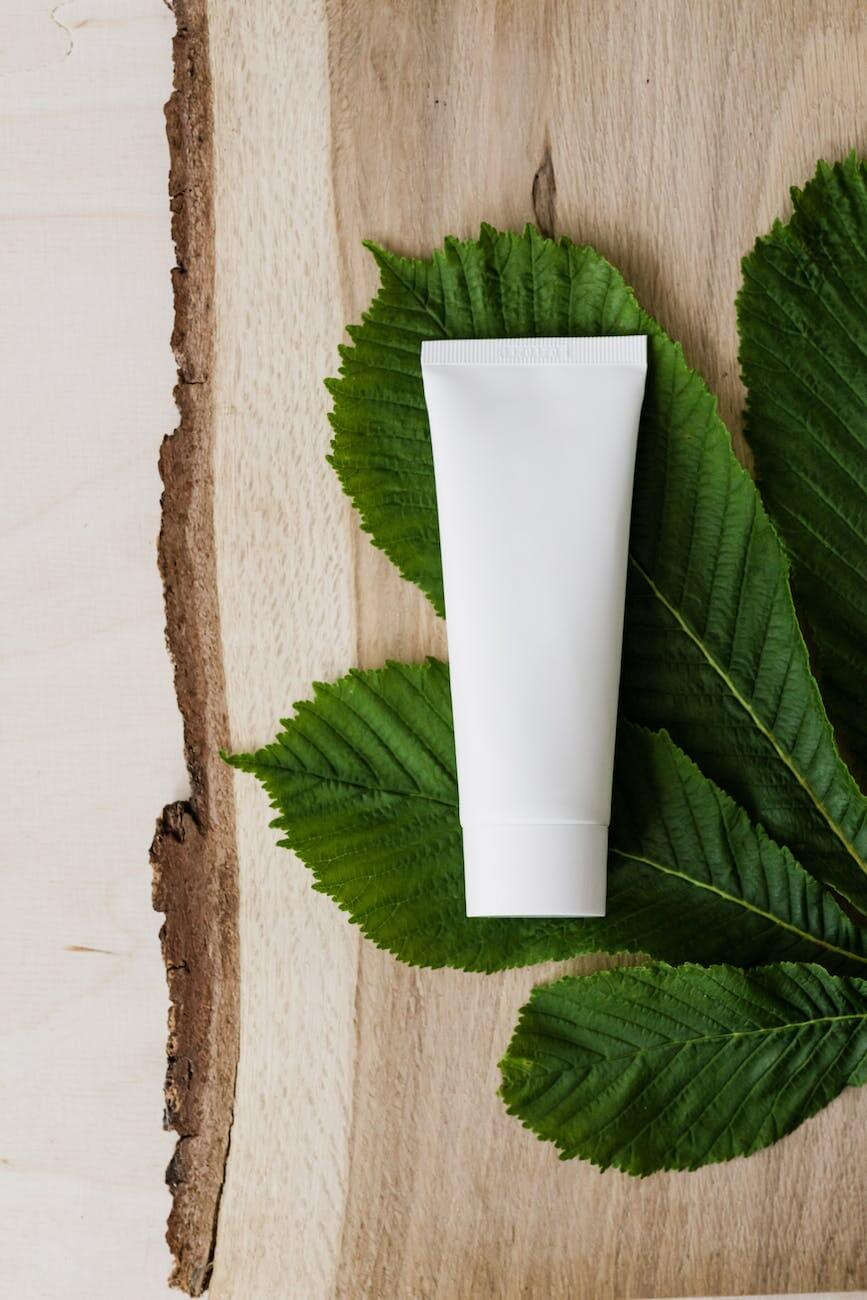
Understanding the Benefits of Natural Skincare Ingredients
Natural skincare ingredients offer a wide range of benefits for the skin. One of the primary advantages is their ability to provide hydration without clogging pores. Many natural ingredients, such as hyaluronic acid and jojoba oil, provide moisture to the skin. They help balance the skin’s moisture levels and prevent dryness.
In addition to hydration, natural skincare ingredients often have soothing and calming effects on the skin. Ingredients like chamomile, lavender, and calendula are known for their anti-inflammatory properties, making them ideal for sensitive or irritated skin.
Furthermore, natural skincare ingredients are often packed with antioxidants that can protect the skin from environmental damage. Antioxidants help neutralize free radicals, which are unstable molecules that can cause premature aging and skin damage. Include natural ingredients like vitamin C in your skincare routine. Add green tea and pomegranate extract as well. These can enhance your skin’s natural defense mechanisms.
Overall, the benefits of natural skincare ingredients go beyond just improving the appearance of the skin. They can promote overall skin health and provide a more holistic approach to skincare.
Identifying Your Skincare Needs
Before incorporating natural skincare ingredients into your routine, it’s essential to identify your specific skincare needs. Everyone’s skin is unique, and what works for one person may not work for another. By understanding your skin type and concerns, you can choose the right natural ingredients that will address your specific needs.
First, determine your skin type. Is it oily, dry, combination, or sensitive? This will help you select products and ingredients that are suitable for your skin’s needs. For instance, if you have dry skin, try using ingredients like shea butter. Alternatively, argan oil can be very beneficial. These ingredients are deeply hydrating. On the other hand, if you have oily skin, look for ingredients like tea tree oil. Witch hazel is another option. These can help control excess oil production.
Next, consider your skincare concerns. Are you looking to address signs of aging, reduce acne, or brighten dull skin? Different natural ingredients target specific concerns. For anti-aging benefits, ingredients like retinol, vitamin E, and rosehip oil can be effective. If you’re dealing with acne-prone skin, use ingredients like salicylic acid, tea tree oil, and witch hazel. These ingredients have antibacterial properties. They can help combat breakouts.
Understand your skin type and concerns. This allows you to tailor your skincare routine. Incorporate natural ingredients that will work best for you.
Incorporating Natural Skincare Ingredients into Your Morning Routine
Start your day by incorporating natural skincare ingredients into your routine. This can help set the tone for the rest of the day. It also provides your skin with the nourishment it needs. Here are some steps to follow:
1. Cleanse: Start by cleansing your face with a gentle natural cleanser to remove any impurities or excess oil. Look for cleansers that contain natural ingredients like chamomile or cucumber extract.
2. Tone: After cleansing, use a natural toner. It will balance your skin’s pH levels. It also prepares your skin for the next steps. Witch hazel, rose water, and aloe vera are popular natural toner options.
3. Moisturize: Apply a natural moisturizer that suits your skin type. Look for ingredients like hyaluronic acid, jojoba oil, or shea butter for hydration. Don’t forget to apply sunscreen with natural SPF protection to shield your skin from harmful UV rays.
4. Eye Care: If desired, gently dab on an eye cream or serum. Choose products that contain natural ingredients like caffeine or cucumber extract. These help to reduce puffiness and brighten the under-eye area.
5. Makeup: If you wear makeup, choose natural and organic options to minimize exposure to synthetic ingredients. Look for products that are labeled as clean beauty or organic.
Incorporate natural skincare ingredients into your morning routine. This helps you start the day with a fresh complexion. You will also feel rejuvenated.
Incorporating Ingredients into Your Evening Routine
Your evening skincare routine is equally important as it allows your skin to repair and regenerate while you sleep. Here’s how you can incorporate natural skincare ingredients into your evening routine:
1. Remove Makeup: Begin by thoroughly removing your makeup with a natural makeup remover or cleansing oil. This step is essential to ensure that your skin is clean and free from any makeup residue.
2. Double Cleanse: Follow up with a double cleanse using a natural facial cleanser. The first cleanse will help remove any remaining traces of makeup. The second cleanse will cleanse your skin more deeply.
3. Exfoliate: Exfoliate your skin once or twice a week with a natural exfoliator. This helps remove dead skin cells and promote cell turnover. Look for exfoliators that contain natural ingredients like sugar, coffee grounds, or fruit enzymes.
4. Treat: Apply any treatment products, such as serums or facial oils, that target your specific skincare concerns. Natural ingredients like rosehip oil, niacinamide, or vitamin C can be beneficial depending on your needs.
5. Moisturize: Finish off your evening routine by applying a natural moisturizer that is suitable for your skin type. Ingredients like lavender oil, argan oil, or shea butter can provide hydration and nourishment to your skin while you sleep.
Incorporate natural skincare ingredients into your evening routine. This gives your skin the extra care it needs to rejuvenate overnight.
References & Further Reading
Here are reputable, concise sources for natural skincare:
- Wikipedia – Natural skin care
Lists common natural skincare ingredients. Examples include jojoba oil, rosehip seed oil, shea butter, aloe vera, tea tree oil, coconut oil, and chamomile. - KingNature – Natural cosmetics: definition and benefits.
Natural cosmetics avoid synthetic chemicals. They use ingredients like plant oils, herbal extracts, and essential oils. These offer enhanced skin compatibility and environmental sustainability. - Dr Tom Goyer – The benefits of natural ingredients in skincare.
Highlights that natural ingredients are gentle and rich in antioxidants. They are hydrating and suitable for all skin types. They are also better for long-term skin health and the environment. - Hudira – 10 powerful benefits of natural skincare.
Emphasizes natural skincare’s gentle, nutrient-rich, toxin-free nature, eco-friendliness, and its role in supporting the skin’s natural balance and barrier. - Metsä Cosmetics – The benefits of natural ingredients in skincare.
Notes that natural products generally contain fewer additives, are nutrient-rich, gentler on sensitive skin, eco-friendly, effective, and often ethically sourced. - Verywell Health – What oils are good for skin?
Reviews a range of beneficial natural oils (e.g., coconut, almond, grapeseed, argan, rosehip) with moisturizing, antioxidant, and anti-inflammatory properties—and advises patch testing due to possible irritation.
