Discover the hidden treasures of Jamaica beaches and uncover the beauty that lies within.
The Charm of Lesser-Known Beaches
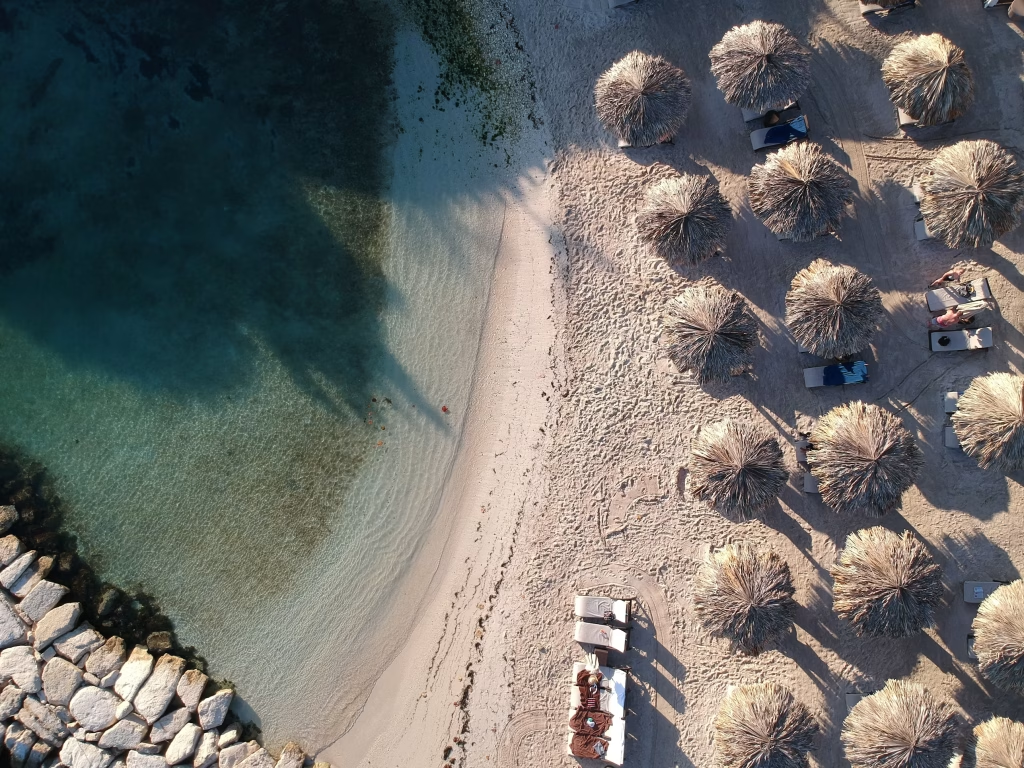
Jamaica is known for its stunning beaches. Beyond the popular tourist spots, there are hidden gems waiting to be explored. These lesser-known beaches offer a unique charm and tranquility that can’t be found elsewhere. Imagine stepping onto a secluded stretch of sand, with crystal clear turquoise waters stretching out before you. The lack of crowds allows for a more intimate and peaceful experience. You can truly connect with nature and soak in the beauty of your surroundings.
One such hidden gem is XYZ Beach. Nestled away from the hustle and bustle, this beach offers a serene escape from the tourist crowds. The soft white sand and gentle waves create the perfect setting for relaxation. Take a leisurely stroll along the shoreline. Feel the warm sand between your toes. Listen to the soothing sounds of the waves. The charm of these lesser-known beaches lies in their untouched beauty and the sense of tranquility they provide.
Top Beaches to Visit in Jamaica
Jamaica is home to some of the most beautiful beaches in the Caribbean. Here are a few top beaches that you must visit during your trip:
– Seven Mile Beach: This beach is located in Negril. It is famous for its pristine white sands. It also boasts clear turquoise waters. It offers a wide range of water sports activities and is lined with beachfront resorts and restaurants.
– Doctor’s Cave Beach: Situated in Montego Bay, Doctor’s Cave Beach is popular for its calm and crystal-clear waters. It is surrounded by lush greenery and offers a peaceful and relaxing atmosphere.
– Frenchman’s Cove: Located in Port Antonio, Frenchman’s Cove is a hidden gem known for its natural beauty. It features a river that flows into the sea, creating a unique and picturesque setting.
These are just a few examples of the top beaches in Jamaica. Each beach has its own charm. Each beach has its own beauty. Make sure to explore as many as you can during your visit.

Untouched Beauty of Secret Coves
While Jamaica is known for its picturesque beaches, it also has hidden secret coves. These coves offer a different kind of beauty. These secluded spots are tucked away from the main tourist areas, giving you a sense of exclusivity and privacy. Imagine finding a hidden cove with crystal clear waters, surrounded by lush greenery and towering cliffs. The untouched beauty of these secret coves is truly awe-inspiring.
One such secret cove is ABC Cove. Tucked away from the main beach, this hidden gem offers a peaceful retreat from the world. The calm waters are perfect for swimming and snorkeling. They allow you to explore the vibrant marine life that calls this cove home. As you relax on the soft sand, you’ll feel like you’ve discovered your own private paradise. These secret coves are a true hidden treasure, waiting to be explored and appreciated.
Thrilling Water Activities to Try
Jamaican beaches not only offer stunning beauty but also a wide range of thrilling water activities to try. Whether you’re an adrenaline junkie or simply looking for some fun in the sun, there’s something for everyone. From snorkeling and scuba diving to jet skiing and parasailing, the options are endless.
One of the most popular water activities in Jamaica is XYZ. Dive into the crystal clear waters and discover a vibrant underwater world teeming with colorful coral reefs and tropical fish. Snorkeling and scuba diving enthusiasts will be in paradise as they explore these underwater wonders. For those seeking an adrenaline rush, try your hand at jet skiing or parasailing. Feel the wind in your hair as you zip across the water. Soar high above the beach. Enjoy the breathtaking views. These thrilling water activities will add an extra dose of excitement to your beach adventure.
Embark on a journey to the breathtaking Blue Lagoon Jamaica. It is a hidden gem waiting to be discovered in the heart of the Caribbean. Dive into the crystal-clear waters, surrounded by lush tropical vegetation and experience the ultimate paradise getaway.
History and Legend of Blue Lagoon Jamaica
Blue Lagoon Jamaica holds a fascinating history and intriguing legends. According to local folklore, the lagoon was once a volcanic crater, formed millions of years ago. It is said to be bottomless, with depths that have yet to be fully explored.
The lagoon gained international attention after being featured in the 1980 film ‘The Blue Lagoon’, starring Brooke Shields. Today, visitors can immerse themselves in the captivating history and mystical aura of Blue Lagoon Jamaica.
Activities and Attractions at Blue Lagoon Jamaica
Blue Lagoon Jamaica offers a wide range of activities and attractions for every type of traveler. One of the most popular activities is swimming in the crystal-clear waters of the lagoon. The calm and inviting turquoise waters are perfect for a refreshing dip or snorkeling adventure.
For the adventurous souls, cliff jumping is a thrilling experience that can be enjoyed at Blue Lagoon Jamaica. Nature lovers will appreciate the lush tropical vegetation surrounding the lagoon, creating a tranquil and picturesque setting. Boat tours and kayaking are also available, allowing visitors to explore the scenic beauty of the lagoon and its surroundings.
No matter what activity you choose, Blue Lagoon Jamaica promises unforgettable experiences.
The Tranquil Beauty of Blue Lagoon Jamaica
Blue Lagoon Jamaica is renowned for its tranquil beauty. It provides a serene escape from the hustle and bustle of everyday life. The calm waters and scenic landscape create a peaceful atmosphere that is perfect for relaxation and rejuvenation.
Surrounded by lush greenery and vibrant flowers, the lagoon offers a picturesque backdrop for capturing memorable moments. Visitors can lounge on the sandy shores and bask in the warm tropical sun. They can also find a shady spot under a palm tree to enjoy the gentle sea breeze.
Whether you’re seeking solitude or quality time with loved ones, Blue Lagoon Jamaica is a haven of tranquility.
Culinary Delights and Local Cuisine at Blue Lagoon Jamaica
Indulge in the culinary delights and local cuisine at Blue Lagoon Jamaica. The lagoon is home to a variety of waterfront restaurants and cafes, offering a unique dining experience with breathtaking views.
Savor the flavors of Jamaica with dishes like jerk chicken, fresh seafood, and tropical fruits. Don’t miss the opportunity to try the famous Blue Lagoon cocktail, a refreshing blend of local rum and tropical juices.
The combination of delicious food, scenic views, and warm hospitality make dining at Blue Lagoon Jamaica a truly memorable experience.
Embark on a culinary journey through the vibrant and diverse world of Jamaican cuisine. Bold flavors and unique spices come together. They create a truly unforgettable dining experience.
Exploring Jamaican Culinary Heritage
Jamaican cuisine is a reflection of the rich culinary heritage of the island. Influenced by African, European, and Asian flavors, it is a unique fusion of different cultures and traditions. Exploring Jamaican culinary heritage lets us delve into the origins of its flavors. We discover the techniques that make this cuisine so special.
One of the key aspects of Jamaican culinary heritage is the use of local ingredients. The island offers an abundance of natural resources. From fresh seafood to tropical fruits and vegetables, these resources have shaped the traditional dishes of Jamaica. The culinary heritage also includes traditional cooking methods and techniques that have been pass down through generations.
By delving into the Jamaican culinary heritage, we can gain a deeper appreciation for the cultural significance of the dishes. We appreciate the people who have preserved these traditions over the years.
Key Ingredients in Jamaican Cuisine
Jamaican cuisine is known for its bold and vibrant flavors, which are achieved through the use of key ingredients. These ingredients add depth and complexity to the dishes. They also reflect the diversity of the island’s culinary landscape.
One of the most iconic ingredients in Jamaican cuisine is scotch bonnet pepper. This fiery chili pepper is responsible for the spicy kick that is characteristic of many Jamaican dishes. Other common spices and seasonings include allspice, thyme, ginger, and garlic.
In addition to spices, Jamaican cuisine also incorporates a variety of meats and seafood. Jerk chicken and pork are popular options, marinated in a mixture of spices and slow-cooked to perfection. Fish, such as snapper or grouper, is often grilled or fried and served with flavorful sauces.
Finally, no discussion of Jamaican cuisine would be complete without mentioning the importance of tropical fruits. Mangoes, papayas, pineapples, and coconuts add a refreshing sweetness to many dishes. They balance out the spiciness and add a tropical twist.
Popular Jamaican Dishes to Try
When it comes to Jamaican cuisine, there are several dishes that are a must-try for any food enthusiast. These dishes showcase the unique flavors and techniques that define Jamaican cooking.
One of the most famous Jamaican dishes is jerk chicken. The chicken is made with a combination of spices and marinated for hours. It is then slow-cooked over a wood fire. This method results in tender and flavorful meat with a smoky kick. Another popular dish is ackee and saltfish, which is Jamaica’s national dish. Ackee is a fruit native to West Africa. It is sautéed with salted codfish. The dish is served with a side of breadfruit, plantains, or dumplings.
Curried goat is another beloved dish in Jamaican cuisine. The goat meat is marinated in a fragrant curry sauce and slow-cooked until it is tender and full of flavor. Oxtail stew is also a favorite. The meat is cooked until it falls off the bone. It is served with butter beans and rice.
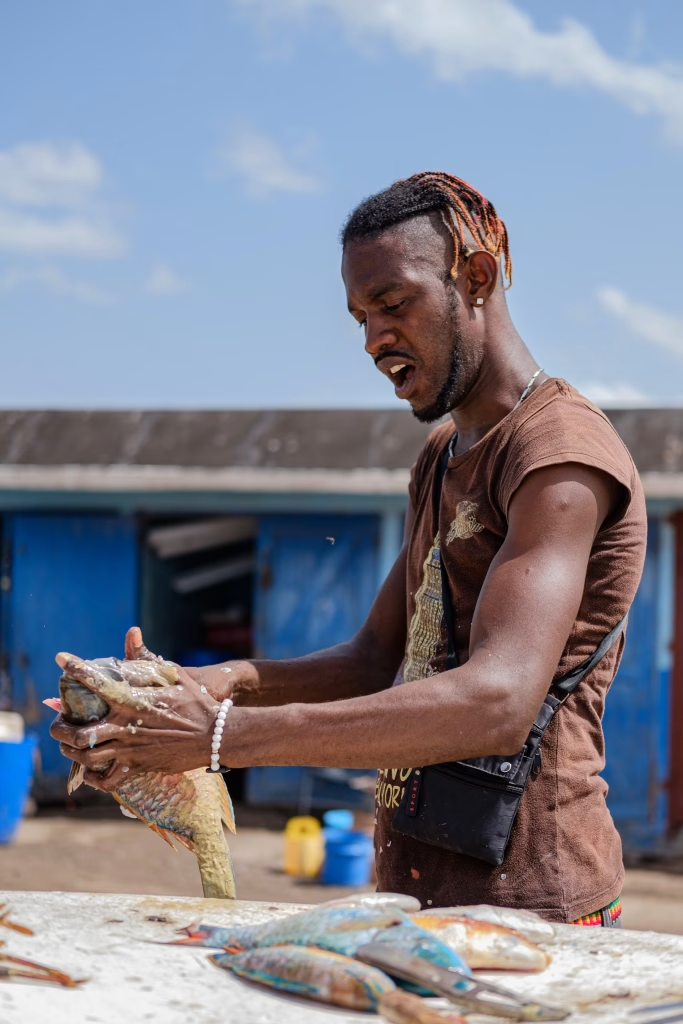
For seafood lovers, escovitch fish is a must-try. The fish is marinated in a spicy vinegar-based sauce and then fried until crispy. It is served with pickled vegetables and eaten with bammy, a traditional Jamaican flatbread.
These are just a few examples of the many delicious dishes that await you in Jamaican cuisine. Each bite is a celebration of the bold flavors and culinary traditions of the island.
Traditional Jamaican Cooking Techniques
Traditional Jamaican cooking techniques play a crucial role in the vibrant flavors and unique textures of the cuisine. These techniques have been pass down through generations, preserving the authenticity and cultural significance of the dishes.
One of the most well-known cooking techniques in Jamaican cuisine is jerk. Jerk is a method of cooking. It involves marinating meat in a mixture of spices. The spices include scotch bonnet pepper, allspice, thyme, and garlic. The meat is then slow-cooked over a wood fire, resulting in tender and flavorful dishes with a smoky kick.
Another traditional cooking technique is the use of Dutch ovens. These heavy cast-iron pots are commonly use in Jamaican cooking to slow-cook stews and curries. The heavy lid helps to trap the heat and moisture, resulting in tender and succulent dishes.
Additionally, grilling is a popular cooking technique in Jamaican cuisine. Whether it’s jerk chicken or grilled fish, the smoky flavors imparted by grilling add a unique dimension to the dishes.
By embracing these traditional cooking techniques, we can truly experience the authentic flavors and textures of Jamaican cuisine.
Innovation and Fusion in Jamaican Cuisine
Traditional Jamaican cuisine holds a special place in the hearts of food lovers. However, innovation and fusion have also influenced the culinary landscape of the island. Chefs and home cooks alike have embraced new ingredients and techniques, adding their own twist to traditional dishes.
One example of innovation in Jamaican cuisine is the rise of farm-to-table dining. Many restaurants and chefs are now sourcing their ingredients locally. They support local farmers and showcase the incredible variety of produce available on the island.
Fusion cuisine has also gained popularity in Jamaica, blending traditional Jamaican flavors with influences from other cultures. This has resulted in dishes like Jamaican-style sushi. Fresh seafood is combined with jerk spices and tropical fruits. This combination creates a unique and flavorful twist.
Innovation and fusion in Jamaican cuisine have allowed for endless possibilities and creativity in the kitchen. It’s an exciting time to explore the evolving culinary scene of Jamaica and discover new flavors and combinations.
Explore the rich and vibrant world of Jamaican art and craft, where passion and creativity collide to create stunning masterpieces.
Discovering the Roots of Jamaican Art
Jamaican art has a rich history that is deeply rooted in the country’s vibrant culture and heritage. By exploring the roots of Jamaican art, we understand its influences and inspirations. This exploration unveils the stunning masterpieces created by local artisans. Jamaican art incorporates elements from the indigenous Taino people. It also includes influences from the African slaves brought to the island. As a result, it reflects a fusion of diverse cultures and traditions. By exploring the history of Jamaican art, we gain a deeper appreciation for the unique artistic expressions. These expressions have emerged from this dynamic cultural melting pot.
The Taino people inhabited Jamaica before the arrival of Europeans. Their artistic traditions can still be seen in contemporary Jamaican art. Their intricate carvings and pottery techniques have been passed down through generations, preserving a connection to the island’s ancient past. The African cultural heritage brought by enslaved Africans has greatly influenced Jamaican art. It features vibrant colors, intricate patterns, and storytelling elements. Exploring the roots of Jamaican art helps us trace the evolution of these artistic traditions. We gain an understanding of how they have shaped the art and craft scene in Jamaica today.

Exploring Traditional Jamaica Craft Techniques
Traditional Jamaican craft techniques have been honed and perfected over centuries. This results in exquisite works of art. These works showcase the skill and expertise of local artisans. One such technique is basket weaving, a craft that has been practiced in Jamaica for generations. Artisans use locally sourced materials such as straw, vines, and bamboo. They create baskets that are beautifully intricate, functional, and visually appealing. These baskets are practical for everyday use. They also serve as decorative pieces. They add a touch of Jamaican charm to any space.
Another traditional craft technique in Jamaica is wood carving. Jamaican artisans are popular for their ability to transform blocks of wood into intricate sculptures. These sculptures depict scenes from everyday life, folklore, and nature. From the smooth lines of a carved figure come beautiful details. The detailed etchings bring it to life. Each piece tells a story. It reflects the passion and creativity of the artist. Whether it’s a wooden mask, a sculpture, or a decorative item, traditional Jamaican wood carvings are works of art. They truly capture the essence of Jamaican culture.
In addition to basket weaving and wood carving, other traditional Jamaican craft techniques include pottery, fabric dyeing, and beadwork. Each technique has its own unique characteristics and reflects the cultural heritage of the Jamaican people. Exploring these traditional craft techniques lets us appreciate the artistry involved. It also supports the preservation of these age-old traditions in a rapidly changing world.
Showcasing Contemporary Jamaican Artistry
Traditional Jamaican art techniques continue to thrive. At the same time, contemporary Jamaican artistry has emerged as a powerful force in the art world. Jamaican artists are popular for their ability to blend traditional techniques with modern influences. This blend results in captivating works of art. These artworks push boundaries and challenge conventions.
Contemporary Jamaican art encompasses a wide range of mediums, including painting, sculpture, photography, and mixed media. Artists draw inspiration from various sources, such as their personal experiences, social issues, and the natural beauty of Jamaica. The vibrant colors, bold patterns, and expressive brushstrokes often seen in Jamaican art reflect the country’s vibrant nature. They mirror the dynamic essence of Jamaica itself.
One notable aspect of contemporary Jamaican artistry is its ability to address important social and cultural issues. Many artists use their work as a platform to raise awareness about topics such as identity, inequality, and environmental sustainability. By exploring contemporary Jamaican art, we appreciate the skill and creativity of the artists. We also gain insights into the pressing issues that shape Jamaican society today.
Supporting Local Jamaican Artisans
Supporting local Jamaican artisans is a way to appreciate their talent and creativity. It is also a means of preserving and promoting Jamaican art and craft. By purchasing handmade Jamaican art and craft products, we support the livelihoods of these talented individuals. We help sustain their artistic traditions.
One way to support local Jamaican artisans is by visiting local art markets and galleries. These spaces showcase a wide range of artworks and craft products created by talented Jamaican artists. When we buy directly from artists or local vendors, we support them financially. Our purchases directly benefit the creators of these beautiful pieces.
Another way to support local Jamaican artisans is by spreading the word about their work. Share their creations on social media. Recommend them to friends and family. Write reviews to help increase their visibility and attract more customers. Supporting organizations and initiatives that promote Jamaican art and craft is also impactful. This support significantly affects the development of the local artistic community.
When we support local Jamaican artisans, we bring home beautiful and meaningful pieces of art. We also contribute to the preservation and growth of Jamaican art and craft. This ensures future generations can enjoy these cultural treasures.
Embracing the Cultural Significance of Jamaica Art and Craft
Jamaican art and craft hold immense cultural significance, serving as a powerful means of expression and storytelling. Jamaican art uses vibrant colors, intricate patterns, and symbolic imagery. Through these elements, we can gain insights into the rich cultural heritage and history of the Jamaican people.
Jamaican art and craft often incorporate elements of spirituality, folklore, and everyday life. Each piece often depicts mythical creatures or scenes portraying traditional rituals and celebrations. They provide insight into the beliefs, traditions, and values that shape Jamaican identity.
Furthermore, Jamaican art and craft play a vital role in preserving and celebrating the country’s diverse cultural heritage. They provide a platform for artists to express their individuality. Artists can explore their roots. These expressions contribute to the collective identity of Jamaica as a whole. By embracing the cultural significance of Jamaican art and craft, we appreciate the beauty of the artworks. We also gain a deeper understanding of the rich tapestry of Jamaican culture.
Explore the vibrant world of Jamaican music. Immerse yourself in the unique rhythms and melodies. These elements define this cultural phenomenon.
A Brief History of Jamaican Music
Jamaican music has a rich and diverse history that reflects the country’s cultural heritage. It is a fusion of various musical styles and influences, including African, European, and American music.
The roots of Jamaican music can be traced back to the 17th century. African slaves brought their musical traditions to the island. Over time, these traditions evolved. They blended with European musical styles. This blending resulted in the birth of unique Jamaican genres such as mento and ska.
In the 1960s, Jamaican music gained international recognition with the emergence of reggae. It is a genre characterized by its off-beat rhythms and socially conscious lyrics. Artists like Bob Marley and The Wailers played a crucial role in popularizing reggae. They spread its message of peace and unity across the globe.
Since then, Jamaican music has continued to evolve. It adapts to new influences. This evolution gives rise to genres like dancehall and reggaeton. Today, it remains an integral part of Jamaican culture and a source of pride for the nation.
The Influence of Reggae on Global Music
Reggae music has had a profound impact on the global music scene. It has inspired artists and musicians from various genres and cultures.
The laid-back rhythms and powerful messages of reggae resonated with people globally. They especially impacted those who were seeking social change and justice. The genre’s themes of love, peace, and unity struck a chord with listeners. These themes became a symbol of resistance against oppression.
Reggae’s influence can be heard in genres like rock, hip-hop, and pop. Artists like The Police, UB40, and Lauryn Hill have incorporated reggae elements into their music. This creates a unique fusion of styles.
Furthermore, reggae’s message of unity and social consciousness continues to inspire new generations of artists. They use music as a platform to address important issues. These include inequality, racism, and environmental activism.
In this way, reggae music has transcended its Jamaican roots and become a universal language of peace and freedom.
Dancehall: The Modern Sound of Jamaica
Dancehall is a genre of Jamaican music that emerged in the late 1970s. It has since become one of the most popular and influential genres in the country.
Known for its infectious beats and energetic dance moves, dancehall music is all about creating a vibrant and lively atmosphere. It incorporates elements of reggae, hip-hop, and electronic music, resulting in a unique sound that is both catchy and danceable.
Dancehall artists often use witty and sometimes controversial lyrics to express their thoughts and experiences. They tackle a wide range of topics, including love, partying, social issues, and personal struggles.
The popularity of dancehall has spread beyond Jamaica. Artists like Sean Paul, Shaggy, and Beenie Man have achieved international success. They have brought the genre to a global audience.
Today, dancehall continues to evolve and innovate, pushing the boundaries of Jamaican music and keeping the party vibes alive.
Popular Jamaican Artists and Icons
Jamaica has produced numerous talented musicians who have made significant contributions to the world of music.
Bob Marley, often referred to as the King of Reggae, is undoubtedly the most iconic Jamaican artist. His music and message continue to resonate with people worldwide, making him a symbol of peace and freedom.
Other notable Jamaican artists include Jimmy Cliff, Peter Tosh, Buju Banton, and Toots and the Maytals. These artists have achieved commercial success. They use their platform to advocate for social change. They also raise awareness about important issues.
Jamaica has produced influential figures in many genres besides reggae. These include dancehall, with artists like Sean Paul and Shaggy, ska, with Toots Hibbert, and rocksteady, with Alton Ellis. Their contributions have helped shape the diverse and vibrant landscape of Jamaican music.
Jamaica Music Festivals: A Celebration of Culture
Jamaica is popular for its vibrant music festivals, which showcase the country’s rich musical heritage and cultural diversity.
One of the most famous music festivals in Jamaica is Reggae Sumfest. The festival is held annually in Montego Bay. It attracts both local and international artists. They perform a variety of reggae, dancehall, and soca music.
Another popular festival is Rebel Salute, which focuses on roots reggae music and promotes conscious lyrics and positive vibes. It aims to preserve and celebrate Jamaica’s musical traditions while providing a platform for emerging talent.
Apart from these large-scale festivals, smaller community-based events exist. These events highlight specific genres or subcultures within Jamaican music. These festivals provide a space for artists and enthusiasts to come together. They share their love for music. They also celebrate Jamaican culture.
Attending a Jamaican music festival offers a chance to enjoy great music. It’s also an opportunity to immerse oneself in the vibrant atmosphere. Experience the true spirit of Jamaica.
Embark on a fascinating journey through the rich history of Jamaica by exploring its historical sites.
Exploring the Iconic Bob Marley Museum
No journey through Jamaica’s historical sites would be complete without a visit to the iconic Bob Marley Museum. Located in Kingston, the museum is a tribute to the legendary reggae musician and cultural icon, Bob Marley.
The museum is housed in the former residence of Bob Marley and showcases his life, music, and legacy. Visitors can explore the various rooms, including the recording studio where Marley created some of his most famous songs. The museum also features an extensive collection of memorabilia, including personal items, photographs, and awards.
The Bob Marley Museum goes beyond the music. It provides a deeper understanding of the social and political climate of Jamaica during Marley’s time. It offers a glimpse into the Rastafarian movement and its influence on Jamaican culture and identity.
A visit to the Bob Marley Museum is an opportunity to learn about the life of a music legend. It is also a chance to experience the spirit and soul of Jamaica’s vibrant music scene. It is a must-visit destination for music lovers and anyone interested in the cultural heritage of Jamaica.
Discovering the Colonial Heritage at Rose Hall Great House
One of Jamaica’s most prominent historical sites is the Rose Hall Great House. Located near Montego Bay, this grand mansion offers a glimpse into the island’s colonial past.
The Rose Hall Great House was constructed in the 18th century. It is popular for its architectural beauty. It is also famed for its haunting legends. It was once the residence of Annie Palmer, also known as the ‘White Witch of Rose Hall.’ Visitors can take guided tours of the house. They can explore its opulent rooms. They will learn about the history and folklore associated with the property.
The Rose Hall Great House is a testament to Jamaica’s colonial heritage. It is also a place of mystery and intrigue. Its legends of ghosts and supernatural occurrences have captured the imagination of visitors for centuries. Whether you believe in the paranormal or not, a visit to Rose Hall is an unforgettable experience.
Visitors can gain a deeper understanding of Jamaica’s colonial history by exploring the Rose Hall Great House. They can also understand the impact of European settlers on the island. It is a fascinating journey through time. It’s a chance to connect with the stories of those who once walked its halls.
Immersing in the Cultural Legacy of Port Royal
Port Royal was once known as the ‘Wickedest City on Earth.’ It is a historical site. It offers a glimpse into Jamaica’s vibrant maritime past. Port Royal is located at the mouth of Kingston Harbor. In the 17th century, it was a bustling hub of trade and piracy.
Today, visitors can explore the remnants of this once-thriving city and immerse themselves in its rich cultural legacy. The archaeological site of Port Royal provides insight into the daily lives of pirates. It reveals the experiences of merchants and sailors who called this place home. Visitors can explore the preserved ruins of buildings. Artifacts recovered from underwater excavations also tell a story. Together, they offer a fascinating look into the past of Port Royal.
In addition to its historical significance, Port Royal is also popular for its vibrant music and culinary scene. Visitors can enjoy live reggae music, sample traditional Jamaican cuisine, and even try their hand at rum tasting. The lively atmosphere and welcoming locals make Port Royal a must-visit destination for those seeking an authentic Jamaican experience.
Immerse yourself in the cultural legacy of Port Royal. You can gain a deeper appreciation for Jamaica’s maritime history. Discover the resilience of its people. It is a journey that combines history, culture, and entertainment, offering a truly immersive and memorable experience.
Unveiling the Taino Influence at the White Marl Taino Site
The White Marl Taino Site provides a unique opportunity to uncover the ancient history of Jamaica. It also reveals the influence of the indigenous Taino people. Located in St. Catherine, this archaeological site offers a glimpse into the lives and culture of the island’s pre-Columbian inhabitants.
Visitors to the White Marl Taino Site can explore the remains of Taino settlements. These remains include the foundations of houses and ceremonial structures. The site also features a museum. It showcases artifacts and provides insights into the daily life and customs of the Taino people.
You can gain a deeper understanding of Jamaica’s indigenous heritage by visiting the White Marl Taino Site. You can also learn about the impact of European colonization on the Taino population. This journey helps you connect with the island’s ancient roots. It lets you appreciate the contributions of its first inhabitants.
As you journey through the White Marl Taino Site, you will be transported back in time. You can imagine the vibrant communities that once thrived on the island. It is a humbling and enlightening experience that highlights the importance of preserving and celebrating Jamaica’s diverse cultural heritage.
Discover the ideal time to explore the vibrant island of Jamaica with our comprehensive guide.
Overview of Jamaica’s Climate
Jamaica has a tropical climate, characterized by warm temperatures throughout the year. The average temperature ranges from 77°F (25°C) to 86°F (30°C). This makes it an ideal destination for beach lovers. It is also perfect for outdoor enthusiasts.
The island experiences two main seasons: the dry season and the wet season. The dry season runs from December to April. It is the most popular time to visit Jamaica. This season offers plenty of sunshine and minimal rainfall. The wet season, from May to November, brings occasional showers and tropical storms. It also offers lush greenery and lower prices.
Jamaica is located in the Caribbean hurricane belt. It’s important to note that hurricanes are most likely to occur between June and November. However, the chances of a direct hit are relatively low, and the island has a well-established hurricane preparedness plan.
Peak Tourist Seasons in Jamaica
The peak tourist seasons in Jamaica coincide with the dry season, which is from December to April. During this time, the island welcomes many visitors from around the world. The influx is especially notable during the Christmas and New Year holidays.
The peak season offers the best weather conditions with plenty of sunshine and warm temperatures. However, it is also the most crowded and expensive time to visit. It is advisable to book accommodations and activities well in advance to secure the best options.
If you plan to visit Jamaica during the peak season, explore popular attractions early in the day. This helps you avoid crowds and make the most of your time on the island.
Off-Peak Seasons for Budget Travelers
For budget travelers, the off-peak seasons in Jamaica offer more affordable options. The months of May to November are consider off-peak, as they fall within the wet season. During this time, you can find discounted rates on accommodations and activities.
There may be occasional showers and tropical storms. However, you can still enjoy outdoor activities. Explore the natural beauty of the island. The rain usually comes in short bursts and clears up quickly, allowing you to continue your adventures.
If you don’t mind the possibility of some rain and want to save money, visit Jamaica during the off-peak season. It can be a great option. Just make sure to pack appropriate rain gear and plan activities accordingly.
Special Events and Festivals to Consider in Jamaica
Jamaica is known for its vibrant culture and lively festivals. If you want to immerse yourself in the local traditions and celebrations, consider planning your visit around one of these special events:
– Reggae Sumfest: This annual music festival held in Montego Bay showcases the best of reggae and dancehall music. It’s a week-long event that attracts both local and international artists and music lovers.
– Jamaica Carnival: Held in April, Jamaica Carnival is a colorful and energetic celebration of music, dance, and costumes. Join in the street parades and experience the vibrant spirit of the island.
– Bob Marley Birthday Celebration: Pay homage to the legendary musician at the Bob Marley Museum in Kingston. Attend one of the concerts and events held on his birthday, February 6th.
– Accompong Maroon Festival: This festival takes place in January in the town of Accompong. It celebrates the heritage and traditions of the Maroons, descendants of escaped slaves. Experience traditional music, dance, and food.
Attending these events can add a unique and unforgettable experience to your Jamaican vacation. Make sure to check the dates and plan your trip accordingly.
Tips for Making the Most of Your Jamaica Vacation
– Pack appropriate clothing: Jamaica is known for its warm climate, so pack lightweight and breathable clothing. Don’t forget to bring swimwear, sunscreen, and a hat to protect yourself from the sun.
– Stay hydrated: Drink plenty of water, especially if you’re spending time outdoors or participating in activities. It’s important to stay hydrated in the tropical climate.
– Try local cuisine: Jamaican cuisine is famous for its bold flavors and unique spices. Don’t miss the opportunity to try dishes like jerk chicken, ackee and saltfish, and curried goat.
– Explore beyond the resorts. The resorts offer luxury and convenience. However, make an effort to explore the local communities and attractions. Visit the bustling markets, interact with the friendly locals, and discover the hidden gems of the island.
– Embrace the laid-back lifestyle: Jamaica is known for its relaxed and easygoing atmosphere. Take the time to unwind, enjoy the beautiful beaches, and immerse yourself in the island’s vibrant culture.
By following these tips, you can make the most of your Jamaican vacation. You can also create unforgettable memories in this tropical paradise.
The Warm Hospitality of Jamaican People
Jamaicans are known for their warm and friendly nature, making visitors feel right at home. The island’s motto, ‘Out of Many, One People,’ reflects the unity and diversity of the Jamaican population. When you explore the bustling markets, you are greeted with a smile and a warm welcome. Relaxing on the stunning beaches is equally inviting. The vibrant nightlife offers the same hospitality. Jamaicans take pride in their culture and are always eager to share it with others. The warm hospitality of the Jamaican people will ensure your visit to the island is unforgettable. You will create genuine connections and lifelong memories.
References & Further Reading
Here are some trusted sources offering concise and authoritative insights into Jamaica.
- Encyclopedia Britannica – Jamaica (General Overview).
Provides key facts such as Jamaica’s status as the third‑largest Caribbean island. It mentions the capital Kingston, and covers the colonial history. It describes the independence in 1962, as well as the population, governance, and economy. - Wikipedia – Jamaica (Country Profile)
Covers geography, government structure, demographics, economy, languages, and national symbols. - Commonwealth Portal – Jamaica (Geography & Cultural Identity).
Explains the meaning of the name “Jamaica,” outlines topography including the Blue Mountains, and highlights linguistic and cultural diversity. - Britannica – Cultural Life of Jamaica.
Highlights the blend of African and European influences in Jamaican music, cuisine, language, and daily customs. This includes traditional dishes like jerk and rice and peas. - Wikipedia – Culture of Jamaica
Describes rich traditions in music such as reggae, dancehall, and ska. It also covers dances like bruckins and daggering. Their ties to social movements such as Rastafari are mentioned. - WorldAtlas – Jamaican Culture & Traditions
It highlights music genres like reggae. It also features traditional dances like Jonkunnu and Bruckins. Additionally, it focuses on literature and performing arts. - National Library of Jamaica – Cultural Heritage.
Offers insight into Maroon communities, folk traditions such as storytelling, mento music, and folklore like Anansi tales. - Wikipedia – Jamaica Independence Festival.
Explains the national cultural festival held since 1962 featuring parades, competitions, and performances that celebrate independence and Jamaican identity. - Wikipedia – Jamaica Carnival
Covers the annual carnival held in Kingston each spring. It features parades, masquerade, and music. There are also community celebrations rooted in calypso, soca, reggae, and dancehall.
